Q&A with ABC Meteorologist Amy Freeze

Amy Freeze is a meteorologist at WABC TV in New York City. You can see Amy Freeze in the morning on Saturdays and Sundays as well as different feature reports throughout the week. Amy Freeze has earned many awards for her broadcasting and meteorology.
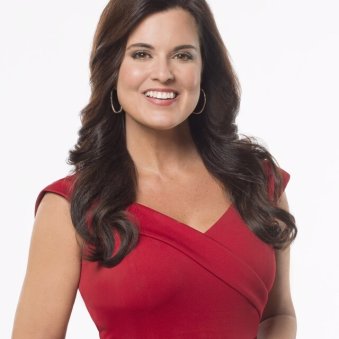
Amy Freeze
Amy Freeze is a 5 time Emmy winning meteorologist for Channel 7 Eyewitness News. Photo Credit: Amy Freeze

1) Can you give a little background story for those that don’t know you?

Amy Freeze: My name is Amy Freeze. I’m a meteorologist at Wabc television in New York City

2) What college did you graduate from and what was your major and minor?

AF: I went to Weber State University in Ogden for general studies, then I transferred to Brigham young University for a minor in religion and a major in broadcast communications. I continued to take classes and got a degree from Mississippi State University; a BS in meteorology. While I was living and working in Philadelphia Pennsylvania I got a master degree in environmental science.

3) What inspired you to go into the journalism/meteorology field?

AF: My last name is Freeze… It was destiny!

4) Did you always know that you wanted to go into the journalism/meteorology field?

AF: First I wanted to be a writer then I took a broadcasting class and was lucky enough to get a job in a newsroom right out of college… The desire to be on TV came later.

5) Where did you start and how did you get to where you are at ABC?

AF: My first job was at a radio station in college. Then I worked in Portland Oregon as a writer and producer and eventually got my first on-air position there as a entertainment reporter. Before I left Portland I made the transition to weather.  I went on to work for ABC in Denver Colorado; I worked in Philadelphia Pennsylvania for Nbc and then for fox in Chicago and finally ABC here in NYC.

6) Was it hard to break into the journalism field?

AF: Yes it is a tough business with long hours and there are shifts on the weekends and holidays that must be worked. Also lots of competition from very qualified people.

7) What is your job and how would you describe your duties?

AF: My job is to report about science and do features during the week. I also do the weather Saturday and Sunday morning – I make the forecast predictions and create all the graphics.

8) What is your typical day like?

AF: My typical days getting my kids to school then going to work – – we have editorial meetings right at the beginning of the day. I do produce material for the website and help with weather forecasting. But often I am sent out to do a story which requires interviewing people and preparing the story for the afternoon newscasts.

9) Are there any accomplishments that you are most proud of? Why?

AF: I am a 5-time Emmy winner!

10) What do you enjoy about being a newscaster/meteorologist?

AF: It is different every day. The weather can be nice one minute and be producing dangerous storms the next — it’s never dull. Plus I work at the #1 station in the world. It’s fun to win!!

11) How do you think the future of the journalism field looks?

AF: The future of journalism is changing by the minute – – with social media so widely used stories are breaking faster and news spreads very quickly in very small doses. With the pressure to be first with stories – – details are not always given and sources are not always identified or checked.  Technology does spread information a lot more quickly but the ethical requirements of true journalism must still be met which means you need to offer the source, verify information, and always tell both sides. The future of journalism will likely be driven by social media technology which means that people who are not trained in journalism, in other words bloggers and social media guru’s, will be the ones to drive information because they understand that technology best. That puts the responsibility of true journalism to also understand what is happening with technology so you can balance the spread of information in the most efficient way possible. The audience of journalism in the future will be in social media technology – – so journalists must understand that arena and adjust accordingly.

12) What trends do you see today becoming prevalent in the future?

AF: Social media. Being able to enterprise your own story, set up the interviews, execute the video and then edit the story – – but also be able to share the content via social media… Literally a one-man band!

13) How do you use social media to connect with your audience and followers?

AF: I use social media on a regular basis to interact sharing stories, forecast and answering questions. I have accounts on Facebook Twitter Instagram Snapchat and LinkedIn

14) Do you think social media is beneficial to the journalism field? Why or Why not?

AF: Yes I think it is beneficial because it helps you connect to the audience in a direct way. You can answer questions and they can share story topics with you

15) From your experience, do you see a difference in technology in the field of journalism and meteorology?

AF: Both are definitely storytelling. But in journalism you usually are doing interviews and incorporating the story of others. In either you’re doing the data and numbers of the straight story out of that

16) How can someone gain experience in journalism while still in school?

AF: Yes. Start a blog… Your instantly a journalist by creating a story online that you can share with others the more you do it on news topics and interviewing others the better you will get

17) What was the best advice you ever got, whether it be when you were entering your career or personal advice? Who gave you that advice?

AF: My dad said some people might be more talented but you’ll always succeed if you work harder than everyone else.

Never give up. Donald Trump told me that when I interviewed him in 2008

18) What are three pieces of advice that you could give a journalism student like me who is trying to break into the journalism field?

AF: Go to law school. Then you can figure out how to be on the TV station.

Don’t delay having a family just to have a career. Sacrificing personal life will never pay off in the professional world. But having a personal life can enrich your professional experiences

Don’t take a job outside of your ability – – especially if they’re offering low pay meaning don’t be the cheap labor!! Salaries are the way that workplaces value people – – get paid!
Event Recap: Lydia Davis Visits The College of New Jersey

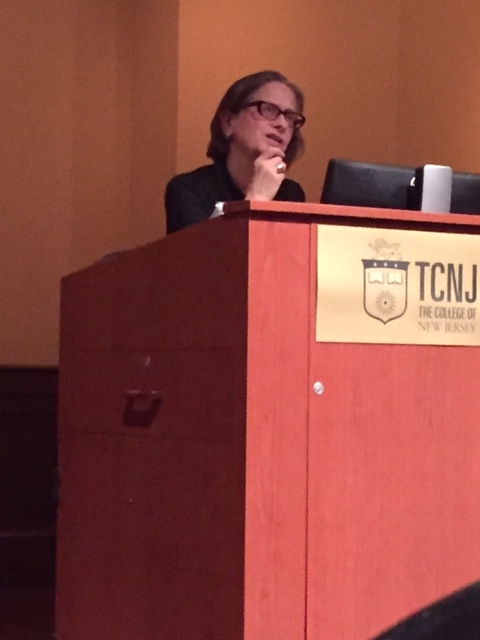
Author and poet, Lydia Davis, came to the College of New Jersey on Wednesday, November 4th for a reading and book signing. The reading was held in the Library’s auditorium and filled just about the whole auditorium. Lydia Davis read samples of her work followed by a book signing where those interested had the chance to purchase her some of her books and have it signed by the author herself. Also following the reading and book signing, there were cookies and water served for the attendees.

IMG_9022
Lydia Davis reads a sample of her work.                                        Photo Credit: Hannah Fakhrzadeh

The award-winning writer is known for her short stories. Davis writes not only poetry but is also a novelist and essayist and translates different works in different languages. Davis is currently a creative writing Professor at the University at Albany, SUNY.

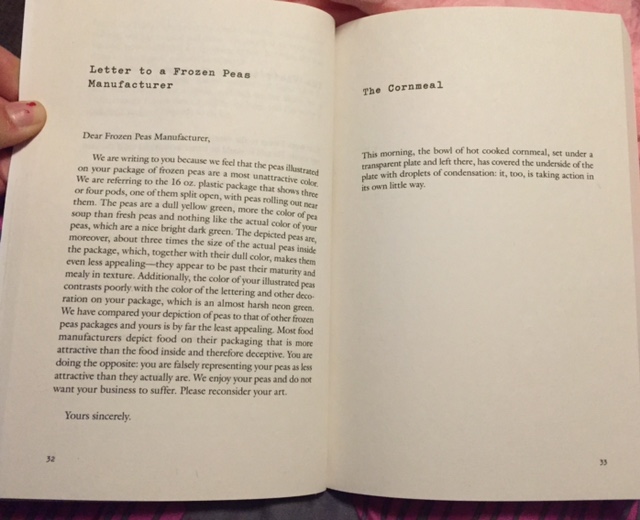
Before Lydia Davis started her reading, she was introduced by the president of ink who gave a short introduction about the writer. A quote by fellow novelist and essayist, Jonathan Franzen, printed in a pamphlet handed out in the beginning of the event, says, “Davis is a magician of self-consciousness. Few writers now working make the words on the page matter more.” After the introduction, Lydia Davis read a sample of her different works. Davis started off with her book, Can’t and Won’t which she introduced as having, “more stories than normal”. Some of the favorites amongst the group are her humorous letters of complaints, there are five total in her book Can’t and Won’t. Two letters of complaints that she read were “Letter to a Frozen Peas Manufacturer” and “Letter to a Peppermint Candy Company”. Both of which had the audience laughing with joy.

FullSizeRender 8
One of Davis’s letters of complaints and a short, short story.                   Photo Credit: Hannah Fakhrzadeh

Davis continued on with other pieces of her work including, “The Visit to the Dentist”, “The Coachmen and the Worm” and “A Note from the Paper Boy”. Lydia Davis explained the inspiration behind her writing by telling the audience, “You write to get rid of things.” Davis then continued on by reading a sample of “Dream Stories” she wrote which she said were about dreams, waking experiences and also about her friends’ dreams and waking experiences. The dream stories she read were, “At the Bank”, “Awake in the night”, “At the Bank 2”, “Dinner” and “The Grandmother”. All of the works she presented were very well received by the audience attentively listening to every word Lydia Davis said.

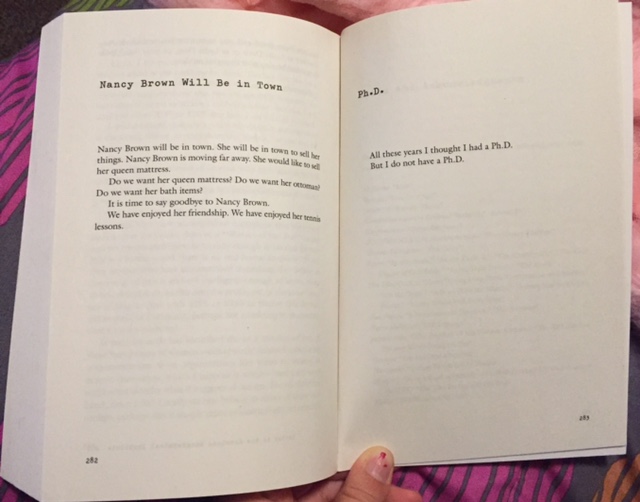
Along with some of her older work, Lydia Davis also read from some of the new writing samples she has written over the winter. Some of those include, “When we are dead and gone”, “Unhappy Christmas Tree”, “Helen’s Father and his teeth” and “Conversation before Dinner.” Lydia Davis also presented what she calls her short, short stories which can be anywhere from a couple of words to a couple of sentences. Examples of these are, “Contingency (vs. Necessity)”, “Ph.D.”, “her Birthday” and “Can’t And Won’t”.

FullSizeRender 9
“Ph.D.”, a short, short story consisting only two lines.                              Photo Credit: Hannah Fakhrzadeh

Lydia Davis ended the event with a question and answer session that allowed the audience to ask questions about one of their favorite writers. Some of the questions asked by the students included topics of how Lydia got started and what inspired her. After the question and answer session was over, the audience was invited to join Lydia Davis in the auditorium’s lobby for light refreshments and an opportunity to purchase one of Davis’ books and get them signed.

FullSizeRender 7
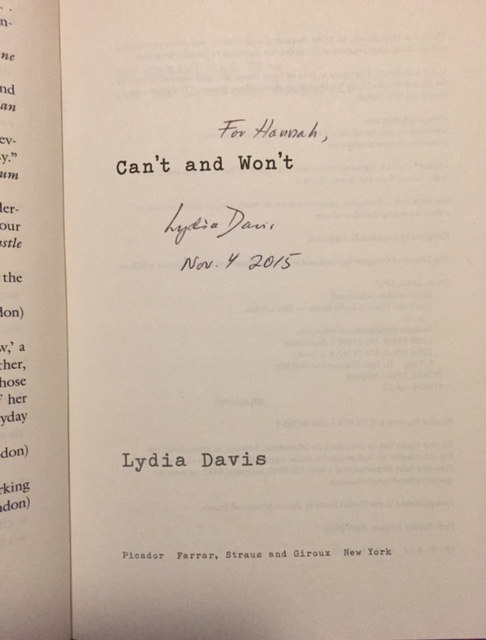
My autographed copy of Lydia Davis’ book “Can’t and Won’t”. Photo Credit: Hannah Fakhrzadeh

Q&A with News 12 NJ Reporter Ranji Sinha

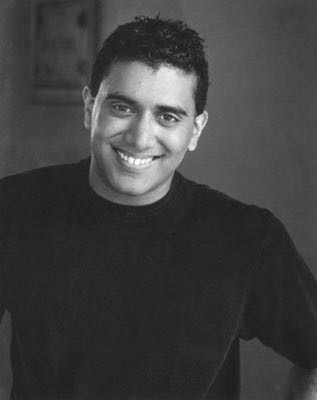
Ranji Sinha is a reporter for News 12 New Jersey based out of Edison, NJ. He has 10 years of reporting experience and has covered many news stories, his favorite being the coverage on Hurricane Sandy. You can also find Ranji Sinha on many multimedia platforms including Twitter and Facebook.

Ranji Sinha
Ranji Sinha is a reporter for News 12 New Jersey. Photo Credit: Ranji Sinha and Steve Landis

Can you give a little background story for those that don’t know you?

Ranji Sinha: I was born and raised in Long Island, which seems surprising to some, and I was raised with other Indian-Americans but there were far fewer than there are now. I also have been working for 15 years-plus. I graduated high school in ’93 and college in ’97.

What was your major and minor if you had a minor?

RS: I was an English major, and my minor was journalism. It was a minor at Tufts University where I went to school.

What inspired you to go into Journalism?

RS: I wanted to do something different, and my parents had pressured me to do a “traditional” field. I also found out through internships and jobs that I was doing alright with it and figured I would keep pursuing it.

Did you always know that you wanted to go into the journalism field?

RS: Believe it or not I didn’t really know I wanted to do this until college, I had always been exposed to the news, but not until Sophomore year did I really choose it.

How did you get to where you are at News 12 NJ?

RS: I had my agent apply and eventually a recruiter considered me.

Was it hard to break into the journalism field?

RS: It was difficult but also I started at really small places first which gave me stronger consideration. Moving up was difficult, but I simply kept at it.

How would you describe your duties?

RS: I report on General Assignment five nights a week. I come in pitch ideas, or get assigned a story. I make calls, set up interviews, do the interviews and write the pieces.

What is your typical day like?

RS: I start around 1:30 PM research stories online and read over our assignment roster. We have a news meeting at 2pm when we decided for stories for the evening, and then we head out for coverage. I usually report live in the 7, 8 and 10 pm newscasts, turning our stories by then.

 Are there any accomplishments that you are most proud of? Why?

RS: I was proud of our Sandy coverage, and the connections I’ve made through it. It was the biggest story that I’ve ever covered and I was glad to be able to be part of it. Within that I shot a standup in the water in front of the roller coaster that fell into the ocean. I believe I was the only reporter to do so.

What do you enjoy about being a newscaster?

RS: I enjoy the variety, work is different every day, I’m out in the world, not behind a desk, and I also don’t have work come home with me in the traditional sense.

How do you think the future of the journalism field looks?

RS: I think it’s heading online even more and more. I also like the edgier news outlets that hit stories in a different way. I’d love to see the anchor-reporter news set ups applied in a way to those edgy outlets. Unique sets, not so traditional dress, I think it would be appealing in general to another generation. Then again, I could be wrong.

How do you use social media to connect with your audience and followers?

RS: I tweet and post on Facebook to publicize what I’m working on. It’s a fairly simple strategy, but I also feel like I could be getting better engagement if I was a little more savvy.

Do you think social media is beneficial to the journalism field? Why or Why not?

RS: I think Social media is a benefit, since it drives viewer and readership, if my engagement was better I think it could produce story ideas.

From your experience, do you see a difference in technology in the field of journalism?

RS: I think technology has advanced tremendously, we have remote backpacks that allow for live shots and feeding video, we also can use the internet to FTP. These are all things that at one point could only be done with sat truck. I think Sat trucks still produce a better picture though, and are useful in situations where that is important, active lives etc.

What are three pieces of advice that you could give a journalism student like me who is trying to break into the journalism field?

RS:

1) I work in TV so my best advice has often focused on that but I’ll try to modify… I think you have to get work samples of any sort to use for applying for a job. For TV people want to see you on video and that you look good and know what you’re doing. But getting that material is key.

2) I think starting small can help you break in, but if you have the chance and timing at something new or groundbreaking –a new network or site– try hard for that, because it could get you into something faster and frankly better.

3) It sounds pretty basic, but people skills need to be developed, as does asking questions and being direct about it. As silly as it may sound getting really skilled at typing helps a great deal since it will just help you crank things out faster.

ABC News: From the 40’s to today

ABC, which is short for American Broadcasting Company, is a company known for their TV shows and news channels. ABC is actually a division of the Disney Company and is based in New York City. Their news outlets include Channel 7 Eyewitness News and Good Morning America. They also have weekend versions of both news outlets.

The ABC network started off as Blue Network after NBC sold them in 1943 to Edward J. Noble. Noble temporarily renamed it to American Broadcasting System before settling on what it is today, American Broadcasting Company. It wasn’t until their so-called “Golden Era” in the 70s when they hired an executive named Fred Silverman. According to Encyclopedia Britannica, ABC’s golden era began with the arrival of programming executive Fred Silverman in 1975. Establishing a schedule of audience-pleasing situation comedies…Silverman rapidly elevated ABC to the coveted number one slot.” ABC also earned praise when they hired a pioneer for female journalists, Barbara Walters, who was hired to host and anchor its nightly newscast.

Barbara Walters is a pioneer for female journalists. Photo credit: variety.com
Barbara Walters is a pioneer for female journalists.
Photo credit: variety.com

Even after succeeding to elevate themselves, they didn’t really fully blossom until their shows Nightline and 20/20 were introduced. ABC was sold to Capital Cities Broadcasting in 1986 for $5.5 billion until the Disney Company acquired it for $19 billion in 1995. Today, ABC is still under the Disney Company and continues to grow.

Eyewitness News, which is one of ABC’s news sources, started around 1962 when their first hour-long newscast The Big News aired. During that time Bill Beutel and Jim Barnes were the anchors while Howard Cosell did sports and Rosemary Haley did the weather. After Beutel left the station in 1968, Al Primo brought Eyewitness News. Today, Eyewitness News continues to flourish with different forms of news. They have 20/20 and Nightline which are both a form of investigative journalism and late-night news.

20/20 is one of ABC's investigative journalism segments. Photo Credit: christianpost.com
20/20 is one of ABC’s investigative journalism segments.
Photo Credit: christianpost.com

One of Eyewitness News’ most famous segments is 7-on your side where anchor, Nina Pineda goes undercover to solve the many issues today’s Americans face. If you have an issue with some company and you are not getting your money back, she will investigate and get you the money you need. One of her best segments were after Hurricane Sandy when many displaced residents lost so much money because they would go into deals to get their houses re-built and left stranded when they weren’t getting what they were promised from builders and even the government.

Nina Pineda helps her viewers through her segment 7 On your Side. Photo Credit: abc7ny.com
Nina Pineda helps her viewers through her segment 7 On your Side.
Photo Credit: abc7ny.com

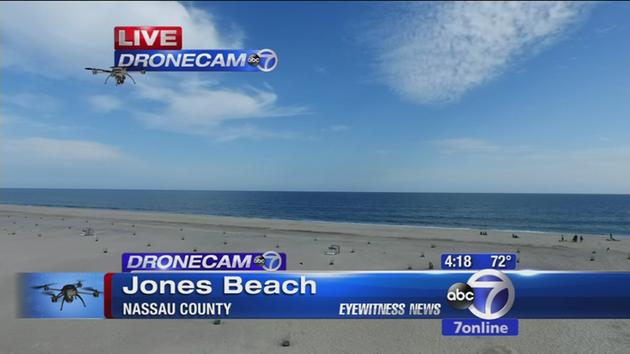
Throughout the past couple of years, Eyewitness News has been exploring new things to add to their line-up of reporting tools including their news chopper and dash came. Recently, they added a drone to that list calling it DroneCam7. According to their website, “Dronecam7 can fly up to 200 feet above ground level as it was above Jones Beach landmarks. It’s operated by licensed private pilot Kevan Stone who has flown drones for a military contractor.” As you can see, Eyewitness News is keeping up with the technological times that we are in now.

Eyewitness News is now using drones to present the news. Photo Credit: abc7ny.com
Eyewitness News is now using drones to present the news.
Photo Credit: abc7ny.com

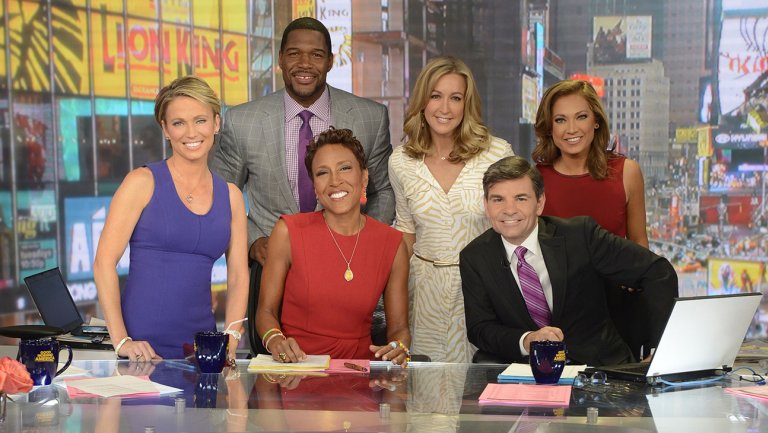
Good Morning America is more of a conversational news source while also presenting the day’s breaking news. Good Morning America also known, as GMA didn’t start until November of 1975 with hosts David Hartman and Nancy Dussault as his co-host until Sandy Hill replaced her in ‘77. When Hill left in 1980, Joan Lunden replaced her. Unfortunately, the Lunden and Hartman pair ended in 1987 when Hartman retired. That is when Charles Gibson. GMA fell to a rise and fall in ratings. To improve their ratings, in January 1999, Charles Gibson was paired with Diane Sawyer. In 2005, Robin Roberts, who still hosts GMA today, joined Sawyer and Gibson. After many anchors leaving including Diane Sawyer and Charles Gibson, the GMA team now is Robin Roberts, George Stephanopoulos, Lara Spencer, Amy Roach, Michael Strahan and Ginger Zee as their weather anchor.

The current cast of GMA includes Robin Roberts, George Stephanopoulos and Lara Spencer. Photo Credit: hollywoodreporter.com
The current cast of GMA includes Robin Roberts, George Stephanopoulos and Lara Spencer.
Photo Credit: hollywoodreporter.com

The team behind GMA is very much into connecting with their viewers through in-person interactions and social-media interactions. They continue to connect to their viewers everyday and are continuing to compete with NBC for the top spot. GMA offers their audience to get free tickets to view their show in person at their headquarters in New York City in Times Square.

What Does a Newscaster Do?

The field of journalism is a field that has been around for a long time. Many influential professionals came from a journalism background. Journalism is not just one job listing; there are different forms of journalism around us. Some of these include:

a.     Broadcast journalism

b.     Investigative journalism

c.      Photojournalism

d.     Sports journalism

This blog post is going to primarily focus on broadcast journalism but we will delve briefly into journalism as a whole.

Just like with any job that you start out with, there is a list of requirements that those going into the journalism career need to fulfill. The biggest requirement is that you have a Bachelor’s Degree and some form of work experience, whether it is from interning or working at small companies. According to study.com, “Journalists, also referred to as reporters and correspondents, have bachelor’s degrees in either communications or journalism.”

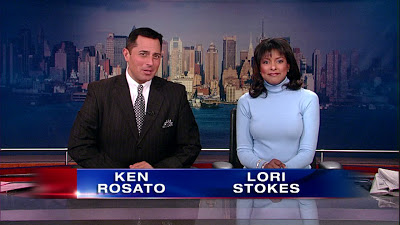
Reporters Ken Rosato and Lori Stokes from Eyewitness News. Photo Credit: http://nycnewswomen.blogspot.com/2009_10_01_archive.html
Reporters Ken Rosato and Lori Stokes from Eyewitness News.
Photo Credit: http://nycnewswomen.blogspot.com/2009_10_01_archive.html

Another way to gain experience is through the courses you take in college. Journalism students or those looking to go into broadcast journalism take classes in anything from editing to reporting. For broadcast journalists, it is important to realize that you need to have experience in front of the camera but also behind the camera. Study.com goes on to say, “All journalism majors take courses in editing, journalistic ethics, reporting, feature writing, photojournalism and communications. Additional coursework is determined by whether a student is focusing on print or broadcast journalism. Students either take courses to strengthen their writing skills or to learn radio and television production techniques.”

Students can gain experience through different journalism classes. Photo Credit: http://wildhunt.org/2012/08/the-power-and-responsibility-of-movement-journalism.html
Students can gain experience through different journalism classes.
Photo Credit: http://wildhunt.org/2012/08/the-power-and-responsibility-of-movement-journalism.html

Journalists work long hours due to the fact that there is always something that needs to be reported on. Through researching for this blog post, an important question came up: What is the typical day of a newscaster like? Through my search, I was directed to sokanu.com, which gave some great information about what newscasters do. They also gave some videos that helped in research; one of the videos was an interview with Sue Straughn, a newscaster at WEAR-TV, where she said that, there is no typical day. This must be true because if you think about it, there is always new news story to be reported on and there is always breaking news that needs immediate reporting.

A newscaster or news anchor’s job is to report news in a manner that is relevant and that will connect with their audience. This means that they are no longer just sitting behind the anchor desk and reading off a tele-prompter. With the growing world of technology, they have to report their news in a way that goes along with the growing technology trend. Besides sitting behind the anchor desk, they have to also get out and interact with their audience. This may be through blogs, social media and actually going out and talking to them in person.

Newscasters do a lot of things and the most important thing is that they communicate well with their audience to show that they are involved in the community around them. Being a newscaster is an important job because you are reporting news that some people will never have been exposed to.

“Generation Like”: a Great Way to See the Danger Behind Likes and Shares

In a world where everything surrounds around social media, the pressure put on kids and teens to get the most likes can be deteriorating their self-esteems. In a documentary published on PBS’s Frontline called “Generation Like”, they show how the pressure on social media users to get likes on their content can change their mood drastically and can result in bad outcomes like, low self-esteem and low communication skills.

What Life was like Before “Likes” and “Shares” were Important:

Children and young adults these days have grown up around social media and computers/technology in general. I remember when I was in sixth grade and the time came to get a phone, my parents were worried that I would be able to figure it out. The phone salesman assured my parents and said, “Don’t worry, she will figure it out quickly and she will be able to help you with yours too.” Sure enough, it took me about a ½ hour to figure out my new phone, a silver Razor flip-phone from Verizon wireless, and I also was able to help and fix my parents phone when they needed.

The
The “cool phone” back then. A Verizon Wireless Razr flip-phone.
Photo credit: http://www.phonedog.com

As a digital native, this can be good and bad at the same time. Growing up with computers and Internet made life a lot easier. If I had to research something, it took a few seconds for thousands upon thousands of results to pop up in Google. We didn’t have to go to the library like our parents had to, although we still did not only because it was recommended but also because it was nice to have different sources.

The
The “new cool things”, an Apple MacBook and iPhone.
Photo credit:
Hannah Fakhrzadeh

Back then, the Razor flip-phones were the “cool” thing, now it is all about apple but that is beside the point. The point is that times are changing fast. When social media platforms started to pop up, they weren’t as popular as they are now. “Likes” weren’t that important back then. Now, it is all about how many “likes” you got on your new profile picture or how many views you have on your YouTube videos.

Generation Like shows how Dangerous “Likes” and “Shares” have become:

The concept of getting “likes” on your content truly is an epidemic. It is apparent that sometimes that’s all any one cares about; how many “likes” they get. Not getting enough likes can two one of two things. Either it lowers the social media user’s self-esteem or it causing them to get rid of the post. The concept of “likes” is used to see if everyone likes you and what you have to share.

“Likes” are becoming dangerously important.
Photo Credit:
Hannah Fakhrzadeh

In the movie, Generation Like, it goes through the importance of “likes” and “shares”. Douglas Rushkoff sits down with a group of teens from Montclair, NJ and discusses getting likes on their profile. At one point, the teens are trying to help one of their friends post a proper profile picture that will gain a lot of likes. In the movie, you can hear one of the friends say, “Listen to Genna. She’s a master of Facebook. Come on, we’re trying to get 400 likes!” Rushkoff perfectly describes in the movie what “likes” can do to a person and says, “Likes, follows, friends, retweets— they’re the social currency of this generation, Generation Like. The more likes you have, the better you feel.” He goes on to say, “You get them, you give them, and everyone knows how many you’ve earned. The number is right there for anyone to see.”

The amount of people is right that liked your post is visible for everyone to see. Photo Credit: Hannah Fakhrzadeh
The amount of people is right that liked your post is visible for everyone to see.
Photo Credit:
Hannah Fakhrzadeh

“Likes” and “shares” can be seen as a never-ending game of Telephone; it’s like a domino affect. All it needs is one thing to act or start and then it automatically causes everything else after that to follow. Rushkoff while talking to a social media user, says, “It’s cool because when a kid likes something and that thing likes her back, other kids notice. And then they like her, too.”

It’s the same on YouTube. If someone that is not so popular with views and shares posts a video, they are not going to get as much as they want. Once they film a video with someone popular, or if someone popular is in their video, that almost always expands their audience base.

Kids, teens and young adults think that social media, “likes” and “shares” are cool but they depend too much on them as Generation Like displays. Generation Like, shows how much teens really depend on being accepted through social media with things like “likes” and “shares”. Sometimes they get so caught up with what happens on the computer and how popular they get to their followers that they don’t even realize what is going on around them. It is like they have tunnel vision for just what is on their social media pages.

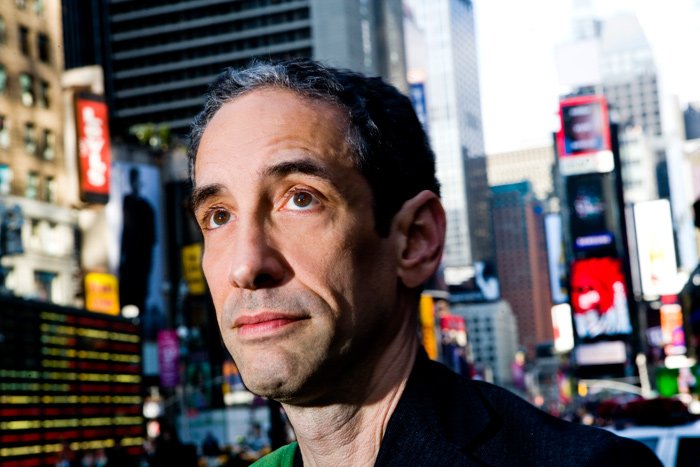
Douglas Rushkoff narrates
Douglas Rushkoff narrates “Generation Like” showing how important “likes” and “shares” are to social media users.
Photo credit: http://www.kbps.org

After watching Generation Like, the audience should be able to understand the problem of obsessing over social media. The audience will also get to see first-hand, through interviews of students, what social media networks can do if not controlled. They will see that kids these days are focusing on what others think rather than what they think. Generation Like shows how even if someone likes a particular picture of them, if they don’t think that they will get enough likes, then they wont even consider posting and sharing it. Generation Like shows that it is not only an epidemic but it is also a popularity game. It is a game to see who can get the most “likes” or “shares”.

Generation Like is a perfect way to show how eventually once the social media users get too obsessed with this, that is all they will care about. This will result in them having virtual lives but they don’t have in person contact. This becomes a problem when it comes time to socialize with their peers because they wont know what to do because of the fact that they became so used to communicating through the many social media outlets. “Likes” and “shares” truly is part of an epidemic that doesn’t seem to be dying down. I feel that as long as social media is around, the epidemic of “likes” and “shares” will still be around. If you would like to see the movie, Generation Like, for yourself, you can visit the website listed below.

http://www.pbs.org/wgbh/pages/frontline/generation-like/

How to Make An Effective Study Area

Especially with college students and even students younger, it is important to have an effective study area to ensure that are focusing on what you are doing and what is right in front of you. Follow my six, easy steps to make sure that you have your very own effective study area.

1.     Make sure your area is quiet

Having an area that is quiet is very important. One of the biggest distractions you can have while studying or doing work is to have un-wanted and un-needed noise around you. This means that you should set some time aside where it is designated just for studying and work. During this time, your phone should be silenced, there should not be any TV on near you and you should not have music on unless it is calming music that might help you concentrate.

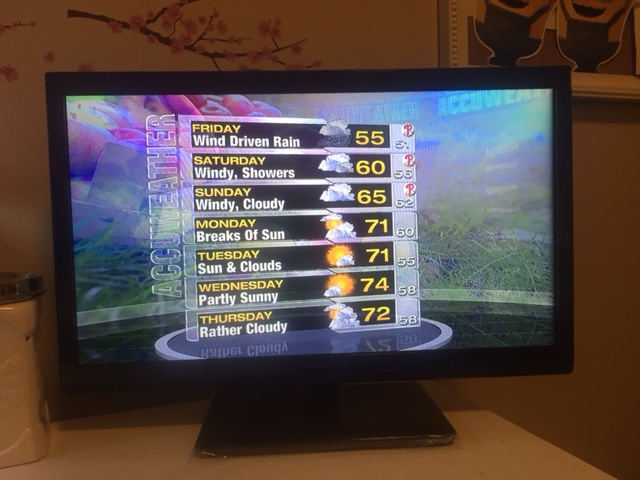
Having TV on behind you can distract you while you are doing work and studying. photo courtesy of: Hannah Fakhrzadeh
Having TV on behind you can distract you while you are doing work and studying.
Photo courtesy of: Hannah Fakhrzadeh

2.   Make sure there is proper lighting

Having proper lighting is also very important. You want lighting that is not too bright that it blinds you but also not too dark that you can barely see anything. Also, make sure the lighting allows you to properly see what you are doing. You don’t want to be squinting to see what’s on the paper or on the computer.

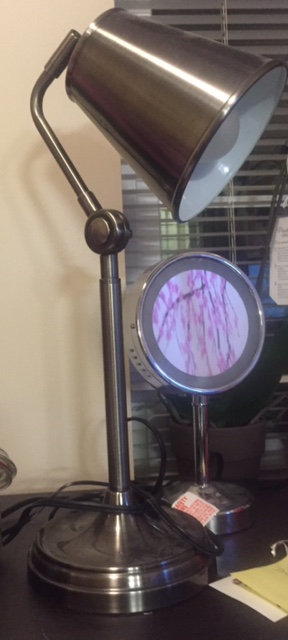
Having proper lighting will prevent you from squinting to see what you are working on. Photo courtesy of: Hannah Fakhrzadeh
Having proper lighting will prevent you from squinting to see what you are working on.
Photo courtesy of: Hannah Fakhrzadeh

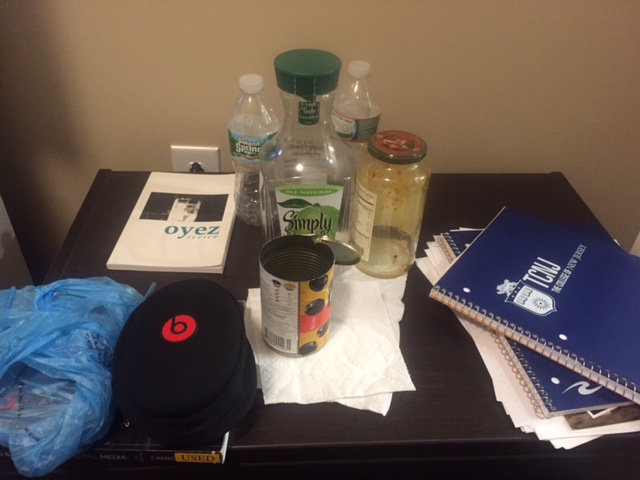
3.      Make sure your study area is clean and clutter free

One of the most important things is to have a clean and clutter free workspace. Wherever you are designating as you study/workspace, whether it be your room or the kitchen table, you want to make sure that there is no clutter around you, which can serve as a distraction. Make sure there are no messy piles of papers that will leave you scrambling to find the paper you need. You want to make sure that you have all of your supplies near you and make sure your supplies are clean. Lastly, make sure that there is no garbage around you.

Having clutter and a mess around you can cause major distractions. Photo courtesy of: Hannah Fakhrzadeh
Having clutter and a mess around you can cause major distractions.
Photo courtesy of: Hannah Fakhrzadeh

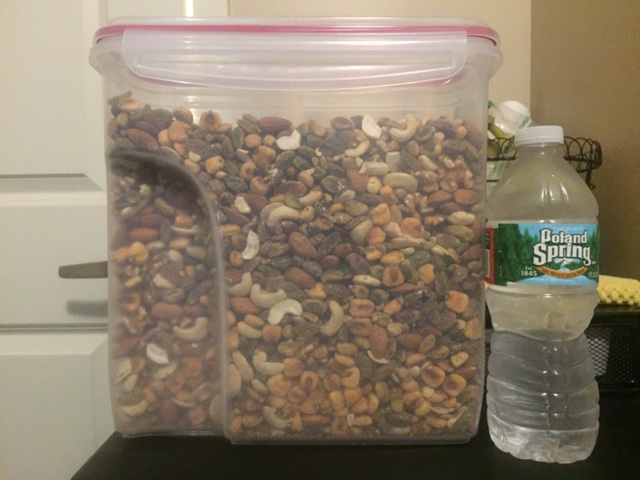
4.      Have snacks and drinks near you

While you study, something that can help to make an affective study area is having snacks and drinks nearby. Snacks like nuts and gum can help keep hunger thoughts away while doing your work and studying. Having drinks like juice and water can do the same as snacks while instead keeping the feeling of being thirsty away.

Having snacks and water or juice near by will prevent you from getting up due to hunger and thirst. Photo courtesy of: Hannah Fakhrzadeh
Having snacks and water or juice near by will prevent you from getting up due to hunger and thirst.
Photo courtesy of: Hannah Fakhrzadeh

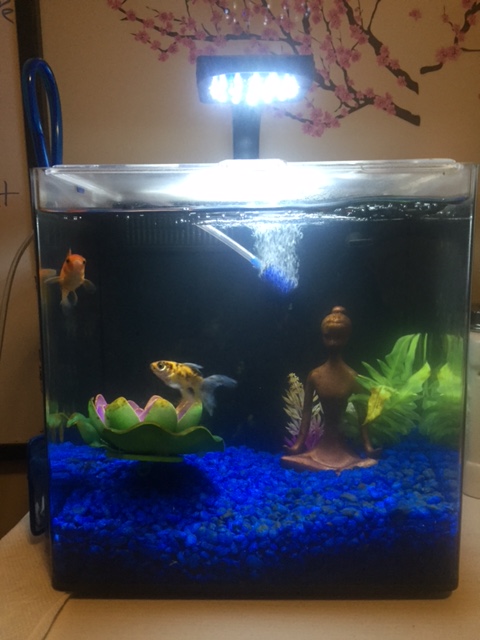
5.      Have a fish tank near you

One way to keep an affective study and work area is to have a fish tank in your study/work area. It is not known to a lot of people but fish are said to help you concentrate. Watching the swim around in the tank can also be peaceful. Petbloglady.com gives a good explanation as to why fish tanks can help during study or work hours. Click the link to read more about the health benefits of having a fish tank near you.

http://www.petbloglady.com/2014/02/calming-effects-of-aquarium-to-the-mind.html

Having a fish tank can help you stay calm and focused. Photo courtesy of: Hannah Fakhrzadeh
Having a fish tank can help you stay calm and focused.
Photo courtesy of: Hannah Fakhrzadeh

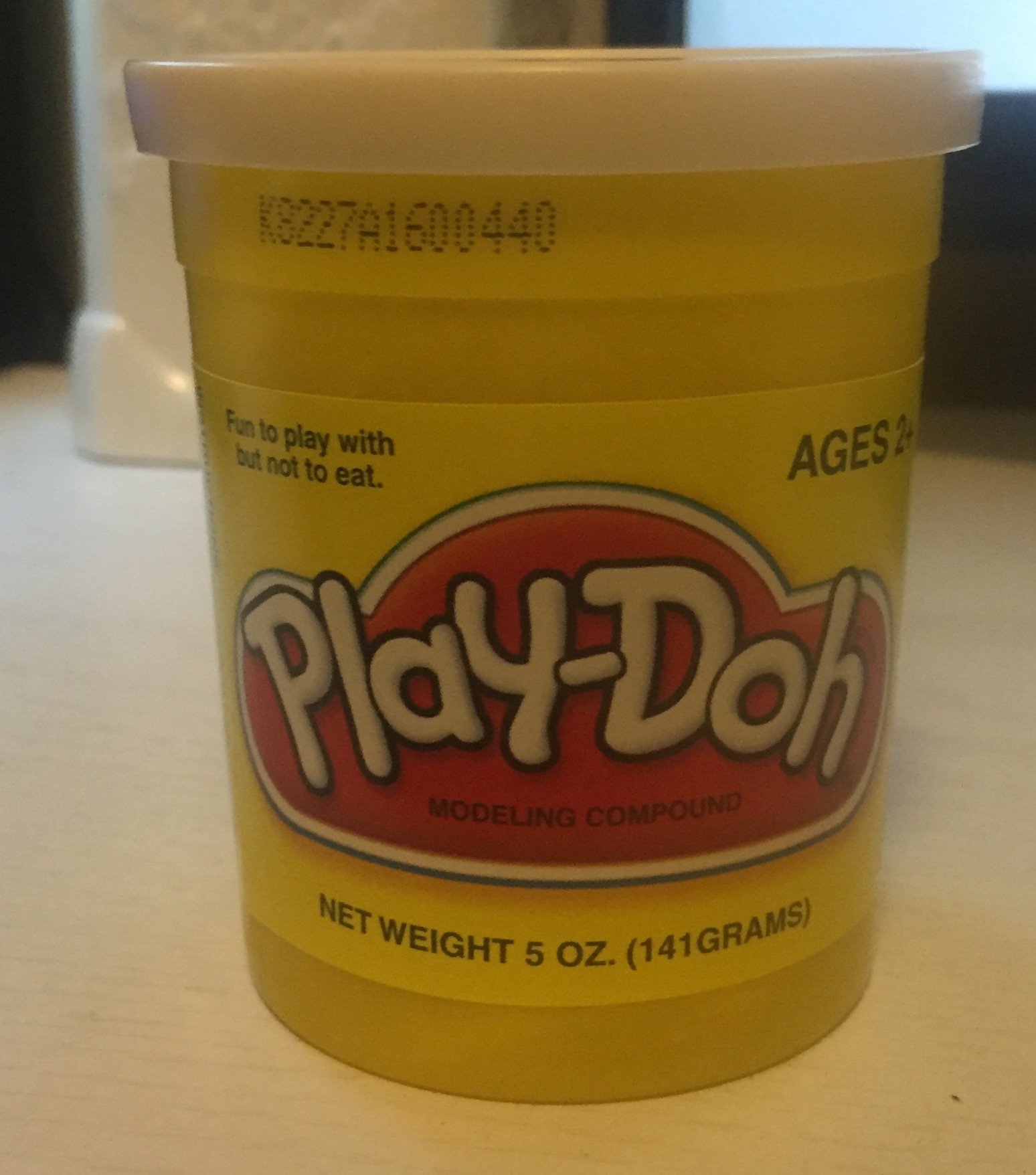
6.      Play with Play-Doh

The last simple and easy way to keep you concentration going while doing homework and studying is to channel your inner child. You can do this by playing with Play-Doh. This doesn’t mean sit there and make Play-Doh animals. This means to just take a chunk in your hand and as you work or study, just squish it in your hand. Doing this can keep your mind focused and not distracted. The imaginationtree.com discusses how playing with Play-Doh as kids and even adults can be calming and soothing. Click the link to read what they said.

http://theimaginationtree.com/2012/06/benefits-of-playing-with-play-dough.html

Playing with Play-Doh in your hand while studying can help keep your focus on what you are doing. Photo courtesy of: Hannah Fakhrzadeh
Playing with Play-Doh in your hand while studying can help keep your focus on what you are doing.
Photo courtesy of: Hannah Fakhrzadeh

Top 5 Ways to Gain Experience in the Field of Journalism

Succeeding in the field of journalism can be a tricky thing to do. With jobs in this career competitive, it can sometimes be difficult for some students to find their dream jobs. By following my top five list, students can hopefully find ways to gain the experience needed in order to succeed in the field of journalism.

1. Internships:

One of the best ways to gain experience especially in the field of journalism is through internships. Internships allow for you to have hands-on experience with the professionals in your field. These internships can be anything from assistants to actual article writers. I remember going to a TV show taping with my mom and I spoke with one of the interns there. Her best advice was to get the best internship you can get and make sure to do a good job because that could become your permanent job. The only pitfall with internships is that most internships require students to get course credits for it and internships can sometimes conflict with your schedule. The best way to fix that is to speak to your teachers and advisors and they definitely will be able to help.

2. Clubs:

The great thing about college campuses is that they offer a vast array of extra curriculers that could help you gain experience. Depending on what aspect in the journalism career your focusing on, there is almost always something for you. If your college offers some sort of news writing, magazine writing or just a regular writing club, make sure you join. By joining a club like this, you will be able to perfect your writing skills. Another club you want to make sure to join is an on campus radio or news channel. By joining a radio or news channel, you will actually be able to see how it feels like to be a professional in this field.

3. Making a name for yourself:

Although this can be the hardest, it is so important to make a name for yourself. Whether its through Facebook, twitter, YouTube or instagram, do whatever you can to make sure people are seeing your name. The more people see your name, they will know that you are passionate for this field. Also, if they constantly see your name, they will suddenly become more interested in you and what you are interested in. It might be hard at first, but through time, you will be able to make a name for yourself.

4. Jobs:

The thing that I think is the hardest is physically finding a job. A lot of jobs that are being offered require a lot of experience. This is hard especially for college students like us who don’t have the experience required. Although, there are many jobs that require experience, some prefer it. If they prefer it, then your lucky; this means that you still will have a shot. This is when your priorities have to be in line. Most of the time, when a job prefers experience and doesn’t require it, it is not the dream job you were hoping for. This is where you have to remember that it is not where you start but where you finish. Take the job that will gain you the experience needed for your dream job and use that as a starting point to move forward.

5. Classes:

This one is what I think is the easiest one to do since you can start it right away. While you are in school, you want to make sure you are taking the proper classes. While finding classes, you want to think to yourself, “Is this class going to help me prosper and succeed in my dream field.” If it is going to do that, then sign up for the class. A lot of classes offered in classes these days require projects to be done. Most of the time, these projects either require you to go out into the field or they require you to practice an important skill used in your field. Make sure to meet with professors and advisors to make sure that your classes will actually help you in your future career. By doing that, you are bound to be on the right track in succeeding in the field of journalism.

Top 5 news stories capturing the importance of 9/11

September 11, 2001 will forever be charred in all of our minds. Whether you were physically affected or mentally, that date will always be a date to remember. I have compiled a list of the Top 5 news stories that captured the importance of that date.

1.  After 14 years, 9/11 memories still sear the heart

Source: USA Today article published September 11, 2015

This article starts off perfectly; it starts off with a video report on ground zero. In the video, the reporter talks to the visitors about their memories of 9/11. After the video concludes, you have the option to read the actual article which is full of vivid and descripted words that put you right in the moment and makes you feel like you are there. Along with the actual article and video, there are also pictures that show the destruction and devastation of the attacks and how 9/11 is being remembered. As a matter of fact, there is a picture slide show full of pictures that are worth seeing. Please click the link to read the article and view the multimedia.

http://www.usatoday.com/story/news/nation/2015/09/11/after-14-years-911-memories-still-sear-heart/72054898/

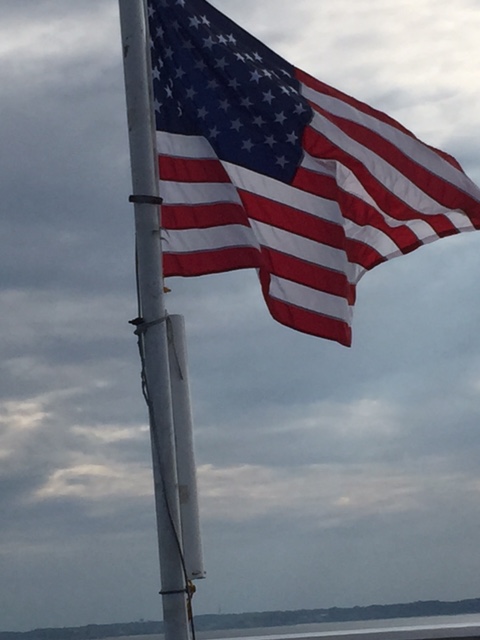
The United States flag blowing proudly in the wind. Source: Hannah Fakhrzadeh
The United States flag blowing proudly in the wind.
Source: Hannah Fakhrzadeh

2. The iconic photos Blaze editors will ‘never forget’: 9/11 as we remember it 

Source: The Blaze article published September 11, 2015

The headline of this article really hooked me in. Once I actually read the article, I understood why. The writer starts off with a brief introduction and then goes into something that I haven’t seen before. The article continues with pictures that staffers took along with a brief paragraph or two describing what each staffer remembers. The pictures that are provided send chills down my spine because of how vivid they are. I believe that the pictures really show the sorrow, destruction and devastation that were caused that day. Please click the link to read the article and view the pictures.

http://www.theblaze.com/blog/2015/09/11/the-iconic-photos-blaze-editors-will-never-forget-911-as-we-remember-it/

3. See What the World Trade Center Site Looks Like 14 Years After 9/11

Source: Time Magazine article published September 11, 2015

I liked this article because it showed what the World Trade Center site looks like all these years after the attacks happened. The article starts off with a time- lapse showing the progress of the rebuilding of the World Trade Center. As I read through the article, I came to the conclusion that the structure is like a list post, which makes it easy to read. The writer provided pictures of the different sites along with a brief description. My favorite was the photo and description of the 9/11 Memorial and Museum. Please click the link to read the article and view the pictures and time-lapse video.

http://time.com/4023448/911-september-11-anniversary-world-trade-center/

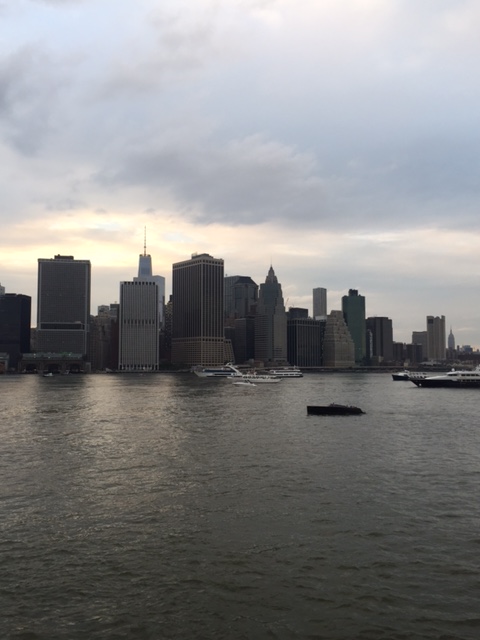
A glimmer of sunlight over New York. Source: Hannah Fakhrzadeh
A glimmer of sunlight shines over New York.
Source: Hannah Fakhrzadeh

4. 9/11 anniversary: America remembers lives lost on one of its darkest days

Source: CNN article published September 11, 2015

Like the previous news article, this article is set up like a list post. It first starts off with a 9 minute video titled Look Back at How September 11 unfolded. The video is chilling because it is full of original news reports from that day. The videos show the moments the planes hit. If you scroll farther, you will see that the writer separated the article into sections. There is one section for each crash site from Ground Zero to Pennsylvania to Washington. In each of those sections, there are short paragraphs of what happened and the number of fatalities at each site. If you want to pay attention to anything, you will want to pay attention to the numbers given because they are horrific. Please click the link to read the article and view the pictures and video.   

http://www.cnn.com/2015/09/11/us/september-11-anniversary/

5. CHILDREN BORN ON 9/11 SPREAD MESSAGE OF HOPE ON ANNIVERSARY OF ATTACKS

Source: Channel 7 Eyewitness News Article published September 11, 2015

I liked this article because it was taken from a different perspective. This article was based on the children born on September 11, 2001. The article starts off with a video about the children and their mission to do good deeds on 9/11. I like how the video ends with pictures of the kids that were born. The article continues with brief stories about two of the kids. The quotes they used were really good because they sort of restored hope in a sense. Please click the link to read the article and view the pictures and video.           

http://abc7ny.com/society/children-born-on-9-11-spread-message-of-hope-on-anniversary-of-attacks/979170/

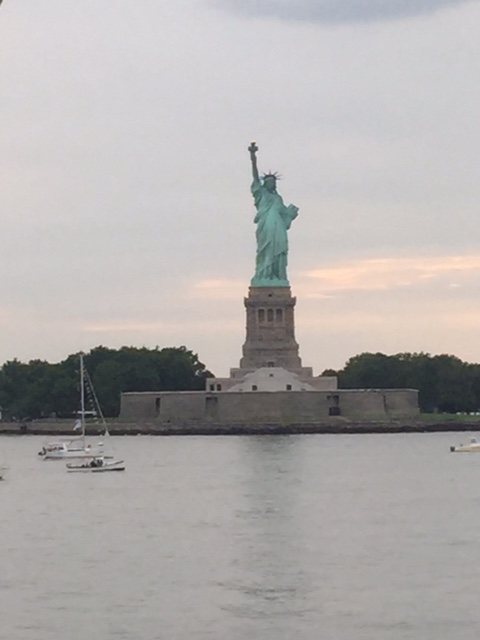
Our Lady Liberty standing tall, showing how strong a nation we are. Source: Hannah Fakhrzadeh
Our Lady Liberty standing proud and tall, showing how strong a nation we are.
Source: Hannah Fakhrzadeh