In a world where everything surrounds around social media, the pressure put on kids and teens to get the most likes can be deteriorating their self-esteems. In a documentary published on PBS’s Frontline called “Generation Like”, they show how the pressure on social media users to get likes on their content can change their mood drastically and can result in bad outcomes like, low self-esteem and low communication skills.
What Life was like Before “Likes” and “Shares” were Important:
Children and young adults these days have grown up around social media and computers/technology in general. I remember when I was in sixth grade and the time came to get a phone, my parents were worried that I would be able to figure it out. The phone salesman assured my parents and said, “Don’t worry, she will figure it out quickly and she will be able to help you with yours too.” Sure enough, it took me about a ½ hour to figure out my new phone, a silver Razor flip-phone from Verizon wireless, and I also was able to help and fix my parents phone when they needed.
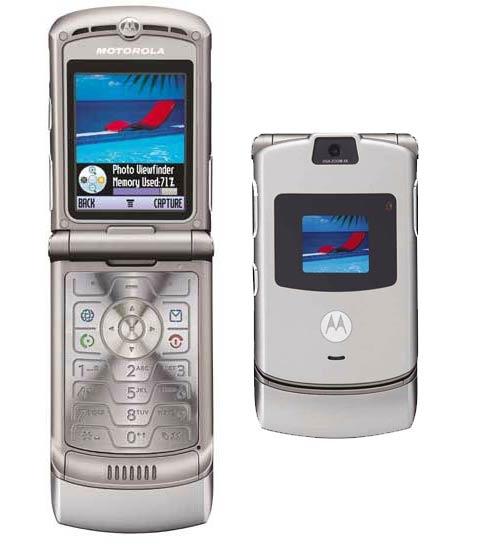
Photo credit: http://www.phonedog.com
As a digital native, this can be good and bad at the same time. Growing up with computers and Internet made life a lot easier. If I had to research something, it took a few seconds for thousands upon thousands of results to pop up in Google. We didn’t have to go to the library like our parents had to, although we still did not only because it was recommended but also because it was nice to have different sources.
Photo credit:
Hannah Fakhrzadeh
Back then, the Razor flip-phones were the “cool” thing, now it is all about apple but that is beside the point. The point is that times are changing fast. When social media platforms started to pop up, they weren’t as popular as they are now. “Likes” weren’t that important back then. Now, it is all about how many “likes” you got on your new profile picture or how many views you have on your YouTube videos.
Generation Like shows how Dangerous “Likes” and “Shares” have become:
The concept of getting “likes” on your content truly is an epidemic. It is apparent that sometimes that’s all any one cares about; how many “likes” they get. Not getting enough likes can two one of two things. Either it lowers the social media user’s self-esteem or it causing them to get rid of the post. The concept of “likes” is used to see if everyone likes you and what you have to share.
Photo Credit:
Hannah Fakhrzadeh
In the movie, Generation Like, it goes through the importance of “likes” and “shares”. Douglas Rushkoff sits down with a group of teens from Montclair, NJ and discusses getting likes on their profile. At one point, the teens are trying to help one of their friends post a proper profile picture that will gain a lot of likes. In the movie, you can hear one of the friends say, “Listen to Genna. She’s a master of Facebook. Come on, we’re trying to get 400 likes!” Rushkoff perfectly describes in the movie what “likes” can do to a person and says, “Likes, follows, friends, retweets— they’re the social currency of this generation, Generation Like. The more likes you have, the better you feel.” He goes on to say, “You get them, you give them, and everyone knows how many you’ve earned. The number is right there for anyone to see.”
Photo Credit:
Hannah Fakhrzadeh
“Likes” and “shares” can be seen as a never-ending game of Telephone; it’s like a domino affect. All it needs is one thing to act or start and then it automatically causes everything else after that to follow. Rushkoff while talking to a social media user, says, “It’s cool because when a kid likes something and that thing likes her back, other kids notice. And then they like her, too.”
It’s the same on YouTube. If someone that is not so popular with views and shares posts a video, they are not going to get as much as they want. Once they film a video with someone popular, or if someone popular is in their video, that almost always expands their audience base.
Kids, teens and young adults think that social media, “likes” and “shares” are cool but they depend too much on them as Generation Like displays. Generation Like, shows how much teens really depend on being accepted through social media with things like “likes” and “shares”. Sometimes they get so caught up with what happens on the computer and how popular they get to their followers that they don’t even realize what is going on around them. It is like they have tunnel vision for just what is on their social media pages.

Photo credit: http://www.kbps.org
After watching Generation Like, the audience should be able to understand the problem of obsessing over social media. The audience will also get to see first-hand, through interviews of students, what social media networks can do if not controlled. They will see that kids these days are focusing on what others think rather than what they think. Generation Like shows how even if someone likes a particular picture of them, if they don’t think that they will get enough likes, then they wont even consider posting and sharing it. Generation Like shows that it is not only an epidemic but it is also a popularity game. It is a game to see who can get the most “likes” or “shares”.
Generation Like is a perfect way to show how eventually once the social media users get too obsessed with this, that is all they will care about. This will result in them having virtual lives but they don’t have in person contact. This becomes a problem when it comes time to socialize with their peers because they wont know what to do because of the fact that they became so used to communicating through the many social media outlets. “Likes” and “shares” truly is part of an epidemic that doesn’t seem to be dying down. I feel that as long as social media is around, the epidemic of “likes” and “shares” will still be around. If you would like to see the movie, Generation Like, for yourself, you can visit the website listed below.